Cambodia has a tropical monsoon climate with two main seasons rather than four, and knowing which one you're travelling in makes a real difference to your trip. Broadly speaking, the country swings between a cool, dry stretch from November to February, a hot build-up from March to May, and a rainy season from June to October.
Cool & Dry Season (November–February)
This is the most popular time to visit, and for good reason. Skies are clear, humidity drops, and daytime temperatures sit in a comfortable 25–30°C range — ideal for climbing the steep steps of Angkor temples or cycling through the countryside. Evenings in Siem Reap and the highlands of Mondulkiri can turn genuinely cool, so pack a light jacket.
Hot Season (March–May)
Temperatures climb steadily and can reach 38–40°C in April, the hottest month of the year. It's still a good time to travel if you plan around the heat — early morning temple visits, afternoon breaks, and evening sightseeing — and hotel and tour prices are often lower.
Rainy Season (June–October)
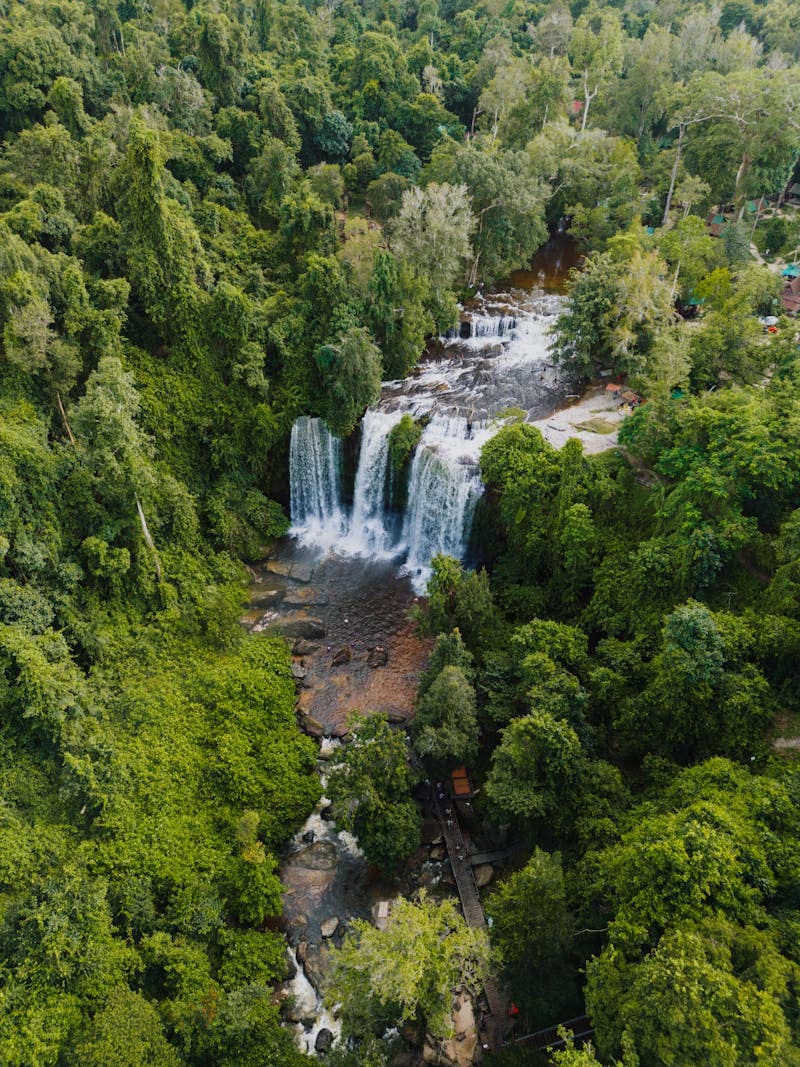
Rain rarely falls all day; expect short, heavy downpours in the afternoon followed by clear skies. This season turns the countryside a vivid green, fills the Tonle Sap Lake to its seasonal maximum, and keeps crowds at the major temples noticeably thinner. Roads in remote provinces can be harder going, so a private driver who knows the terrain is especially useful at this time of year.
Whichever season you choose, Cambodia rewards flexible travellers — and our local guides and drivers plan every itinerary around the weather, not against it, so your days are built for the conditions you'll actually meet.